
What is Direct-to-Consumer (D2C)?
Direct-to-Consumer (D2C or DTC) is a business model where you sell goods directly to end consumers without dealing with third parties like wholesalers. D2C brands typically sell items online, but they can also distribute their products via brick-and-mortar stores.
Pros and cons of the direct-to-consumer model
The DTC meaning is strongly connected to the understanding of the model's pros and cons.
Advantages of D2C:
- Higher profit margins. Since D2C brands sell their own products, they don't need to pay other retailers and wholesalers, keeping more revenue from each sale.
- Direct interaction with customers. D2C companies have direct relationships with people who purchase their products, getting access to customer data to ensure personalized communication.
- Higher customer loyalty. Direct interactions with customers lead to stronger customer bonds and long-term relationships.
- Wider marketing opportunities. D2C companies have full control over their brands, establishing pricing and marketing strategies in line with their vision.
Disadvantages of D2C:
- High customer acquisition costs. D2C brands have to develop their ecommerce stores to establish their brand and attract customers, spending budgets on ads and marketing teams.
- Complex logistics and operations. Companies have to send products to multiple shoppers around the world on their own, often dealing with complex supply chain operations.
- Customer service management. Returns, complaints, and customer inquiries are all handled by the company's customer service team.
- High competition. The market is typically overcrowded with hundreds or thousands of similar products, so it could be difficult to get an edge.
D2C vs B2C vs B2B
How does D2C differ from B2C and B2B?
- B2C also implies selling products to consumers, but, unlike D2C, using third parties like marketplaces and more.
- B2B is the model where businesses sell products and services to other businesses, such as a manufacturer selling goods to wholesalers.
How does the D2C model work?
The D2C model works based on these stages:
- A brand owner chooses the niche and develops their product.
- The company creates an online store, using ecommerce platforms such as Shopify.
- They develop the marketing strategy to drive traffic and create brand awareness.
- Once customers start purchasing products, a D2C company deals with order processing.
- They manage inventory and ensure on-time delivery through logistics providers.
- The D2C support team provides customer services, gets user feedback, and handles returns.
- The company utilizes user data to optimize its processes and conversions.
- As a brand grows, the company expands to new markets, ensuring the scalability of the processes.
Examples of D2C brands
What is a D2C brand? Let's look at the real-world examples.
- Cadootz is a US snack brand, running a simple Shopify-powered store.
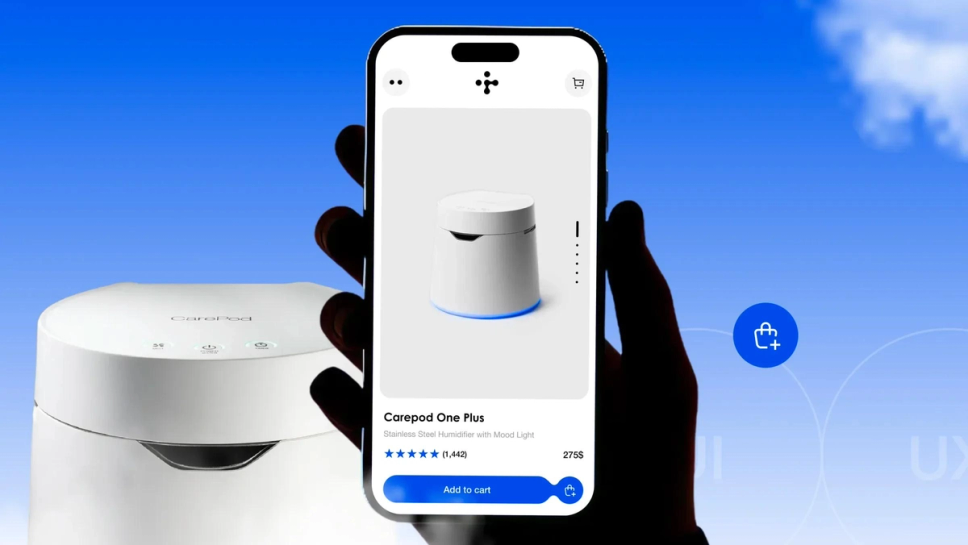
- Carepod produces and sells humidifiers using the Shopify Plus platform.
- Lunchbox Packs sells hydration packs for ravers, attracting roughly 400,000 users.
- KOIO is a luxury sneaker brand that sells shoes worldwide.