
What is Business-to-Consumer?
Business-to-Consumer (B2C) sells directly to individual customers through intermediaries (retailers, marketplaces, distributors, app stores, etc.), where buying decisions are usually faster and based on personal needs, preferences, and emotions.
Key features of B2C model:
- Target Audience: individual buyers, not organizations.
- Intermediary channels: products usually reach customers through retailers, marketplaces, or distributors rather than directly from the manufacturer.
- Purpose: products or services intended for personal use.
- Sales cycle: typically shorter, with decisions made quickly and often influenced by emotion or impulse.
- Marketing focus: strong emphasis on brand perception, convenience, and a smooth, enjoyable customer experience.
What does B2C mean in ecommerce?
It describes situations such as:
- A fashion brand selling through its online store
- A beauty company offering products via ecommerce
- A streaming service charging individual subscriptions
- A retailer operating physical stores for end buyers
In digital commerce, B2C companies focus heavily on conversion rate optimization, mobile usability, and fast checkout processes.
Main B2C business formats
- Brand-owned retail. Companies that sell directly to customers through their own stores, they keep full control over the shopping experience and brand presentation.
- Marketplace platforms. Large platforms that connect buyers and sellers in one place, customers can compare options and complete purchases.
- Ad-supported services. Platforms that provide free access to content or tools and earn revenue by showing advertisements to users.
- Community-led platforms. Niche websites built around reviews, discussions, or shared interests, where user activity helps drive product discovery and trust.
- Subscription services. Businesses that charge a recurring fee, giving customers continuous access to products, content, or digital services.
B2C vs. B2B vs. D2C
- Decision making. B2C transactions are influenced by eмоtions, convenience, or brand look. In B2B, decisions are based on logic, budget, and boosting ROI. D2C sells to end customers as well, but straight from the brand without a retail mediator.
- Capacity. B2C is oriented toward smaller order quantities compared to big B2B contracts. D2C order sizes are often similar to B2C, but the brand may increase value through bundles, subscriptions, or upsells.
- Interaction. B2C focuses on swift transactions with many individual customers, while B2B tends to build longer-term partnerships. D2C prioritizes a direct relationship with the customer and more control over data, support, and retention.
Examples of B2C brands
Many brands blend D2C and B2C by selling through their own stores while also reaching customers on marketplaces such as Amazon. For example:
- Nike. Direct sales via its own ecommerce, plus marketplace presence in select regions.
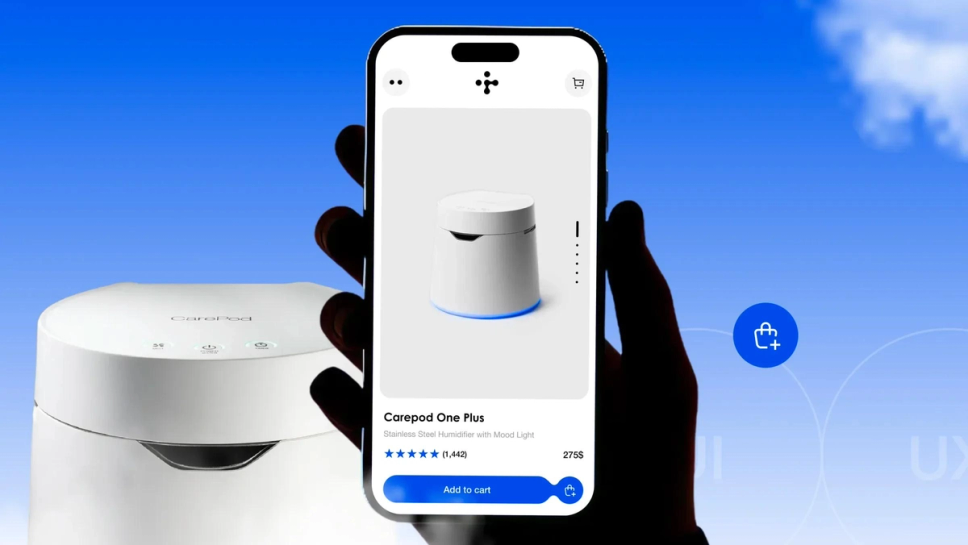
- Carepod. Sells through its website and also via Amazon.
- Wicked Cushions. Combines website sales with marketplace distribution.