Real-time transcription
Live audio converted to text as people speak – for voice interfaces, live captions, agent-assist tools, and in-call prompts where every second of latency matters.
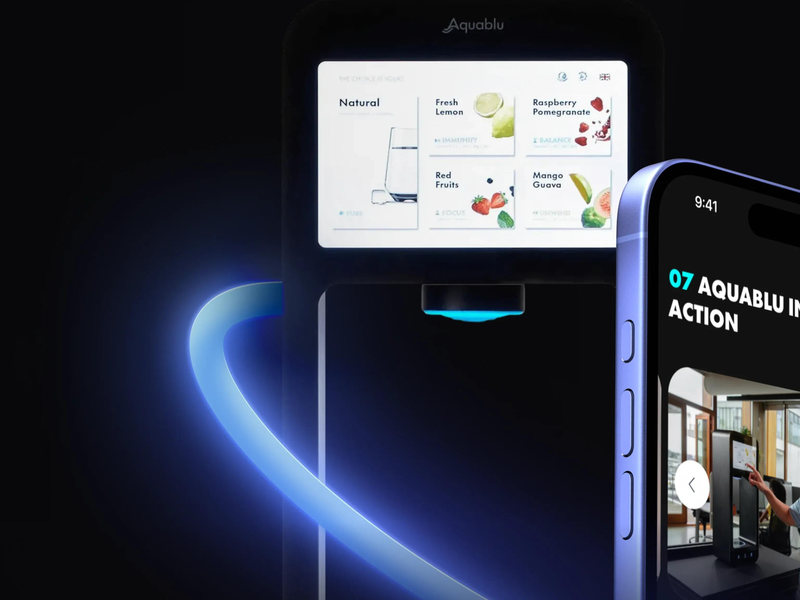 AquabluBuilding a Shopify Plus store for B2B and D2C sales for a water brand
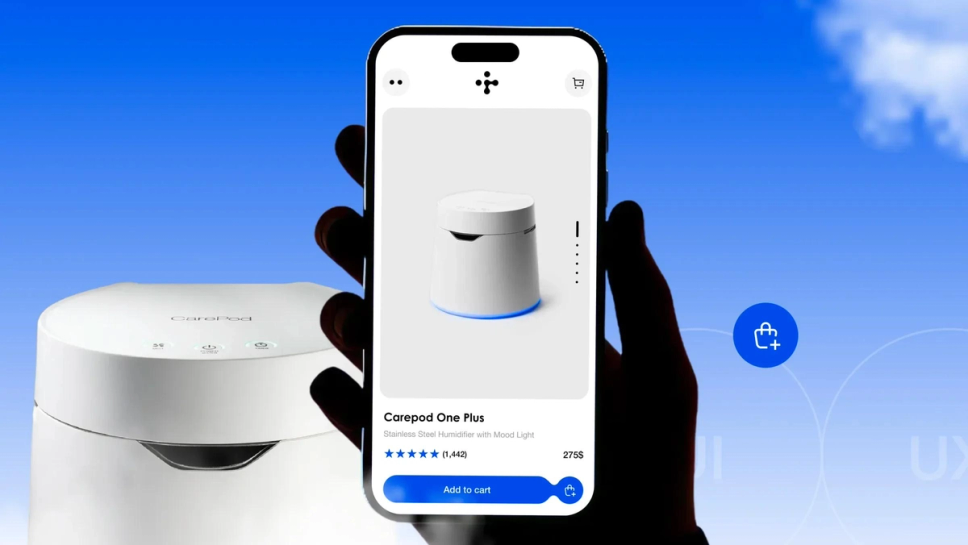 CarepodShopify speed optimization and development for a humidifier brand
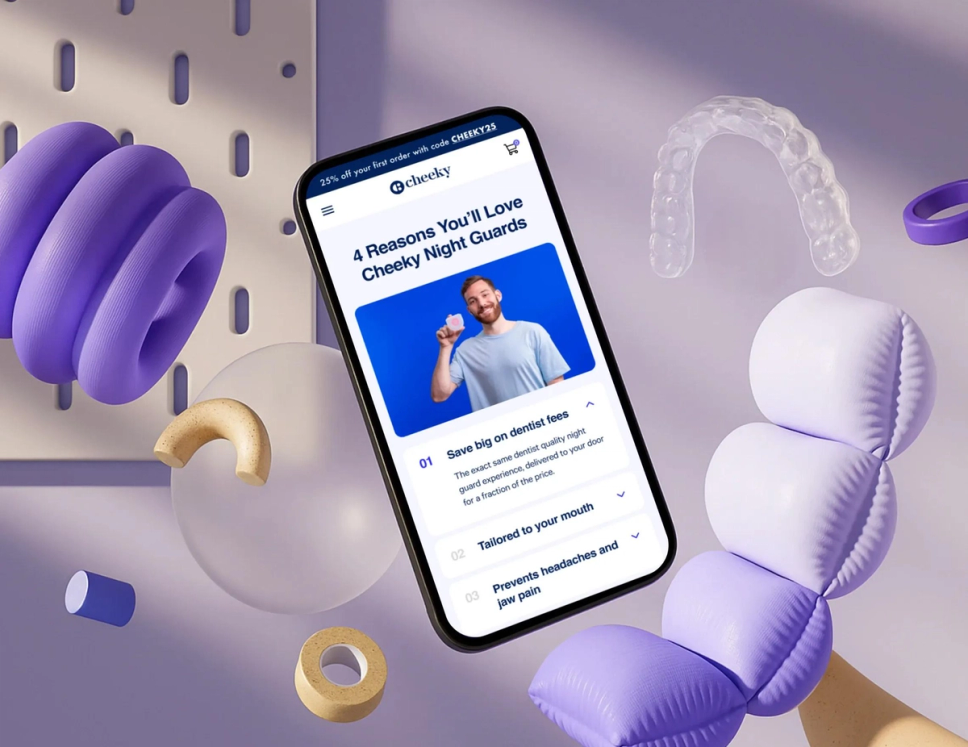 CheekyShopify retainer for a Shopify Plus dental store to boost UX and performance
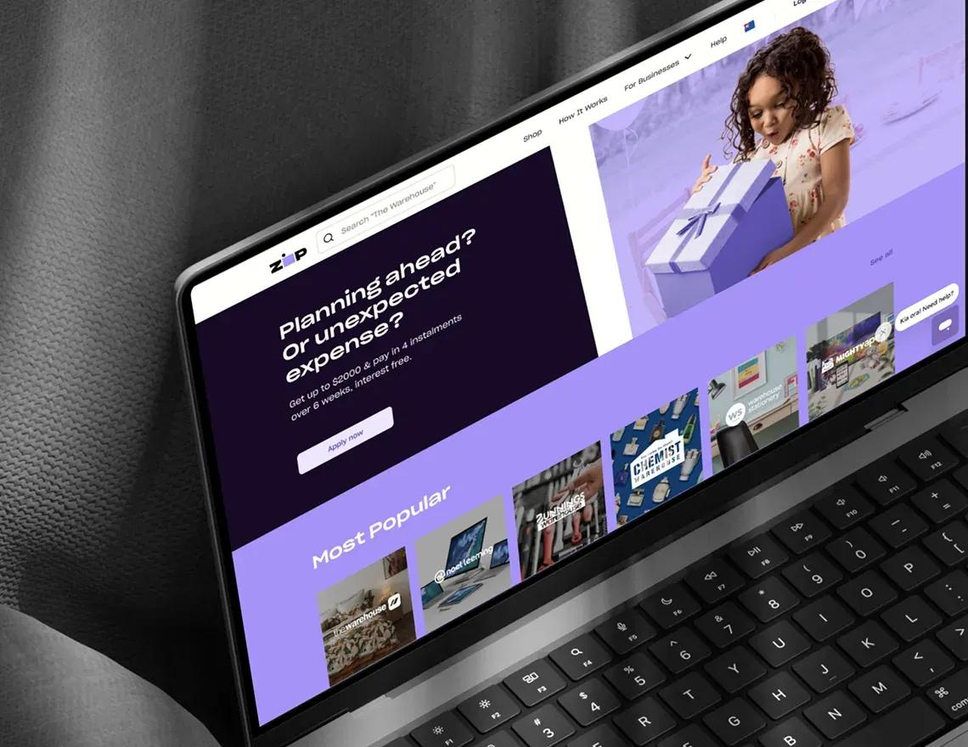 Zip CoEmpowering a leading fintech brand with a future-ready Public Shopify app
 Discover our Shopify appGet your products featured in AI recommendations with our DS – AI llms.txt GeneratorLearn more
Turn calls, meetings, and voice notes into accurate text. DigitalSuits offers AI speech-to-text integration with your CRM, app, or internal tools – so voice data starts working for your business.
Every sales call, support conversation, and recorded meeting holds information your team never gets around to writing down. Speech-to-text integration services capture it automatically – transcribing audio in real time or in batches and pushing the results straight into the systems you already use.
DigitalSuits connects engines like OpenAI Whisper, AssemblyAI, and Google Cloud Speech-to-Text with your product or workflow. We handle the full scope: choosing the right engine for your audio, fine-tuning accuracy, and wiring transcripts into your CRM, ATS, or dashboards. You get text you can search, score, and act on – not just recordings sitting in storage.
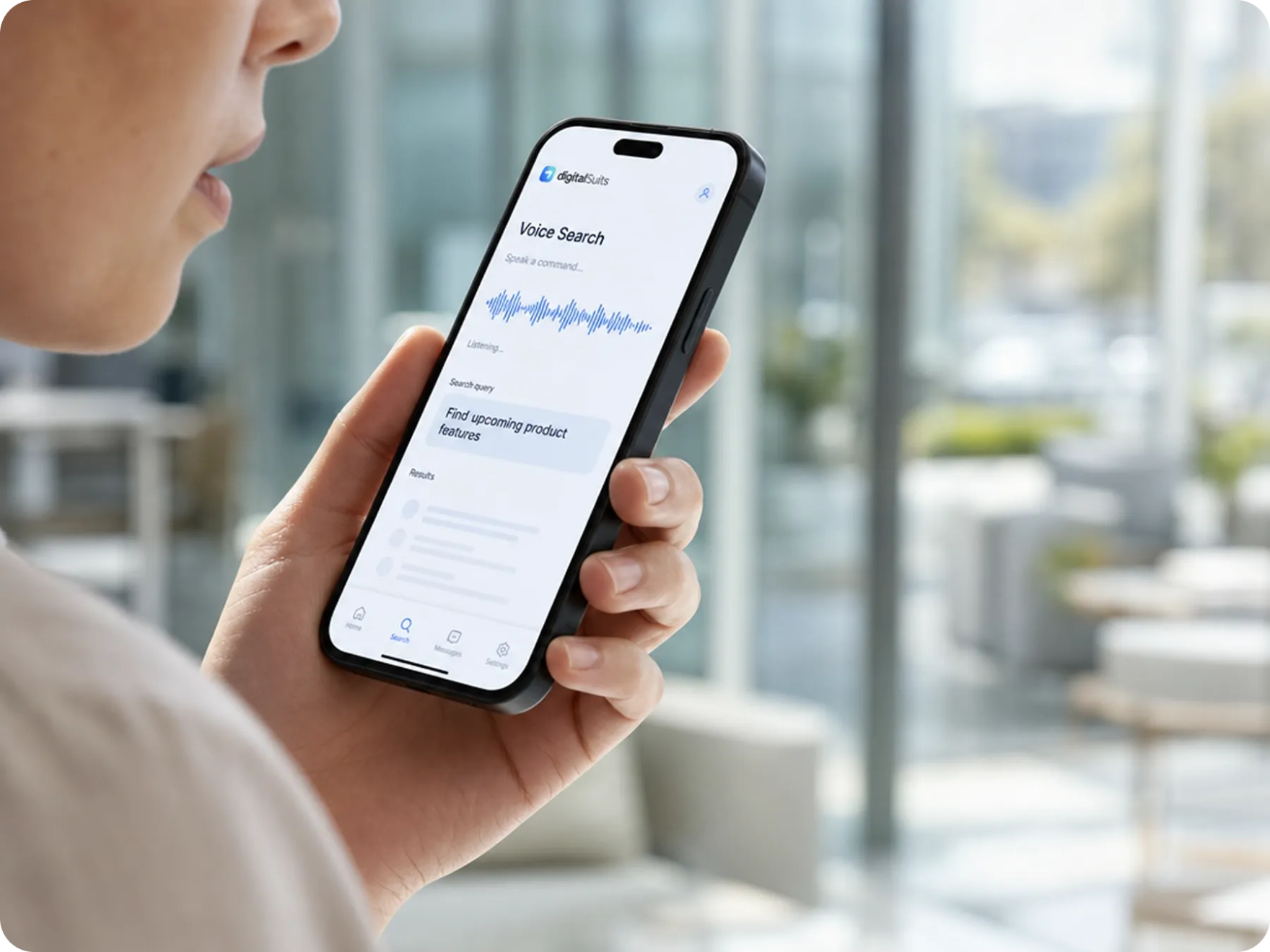
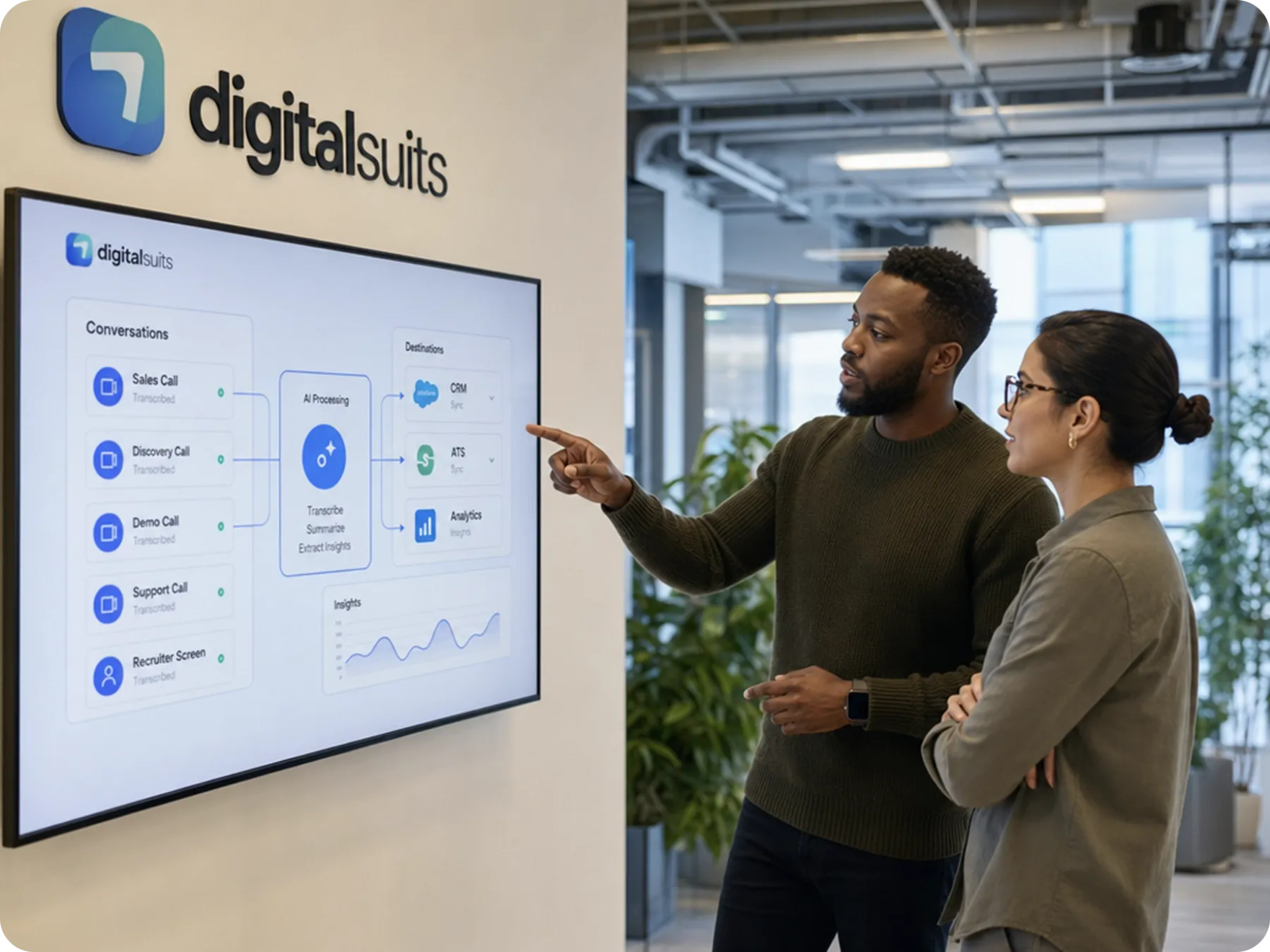
AI speech-to-text integration is the process of wiring automatic speech recognition (ASR) directly into your software, so spoken audio turns into text within your own systems rather than in a separate tool. Your app, CRM, or call platform gets transcription as a built-in feature, running the moment audio comes in.
That's the difference in practice. A recruiter's call is transcribed the second it ends. A support conversation gets summarized and scored without anyone pressing a button. A voice command in your app becomes a search query in milliseconds. The transcript itself isn't really the point – what matters is what it feeds: summaries, analytics, compliance checks, and workflows.
Real-time transcription
Live audio converted to text as people speak – for voice interfaces, live captions, agent-assist tools, and in-call prompts where every second of latency matters.
Batch voice transcription
Automated processing of recorded audio at scale: call archives, podcasts, meeting libraries, and voicemail queues transcribed asynchronously with cost-efficient pipelines.
Speaker diarization
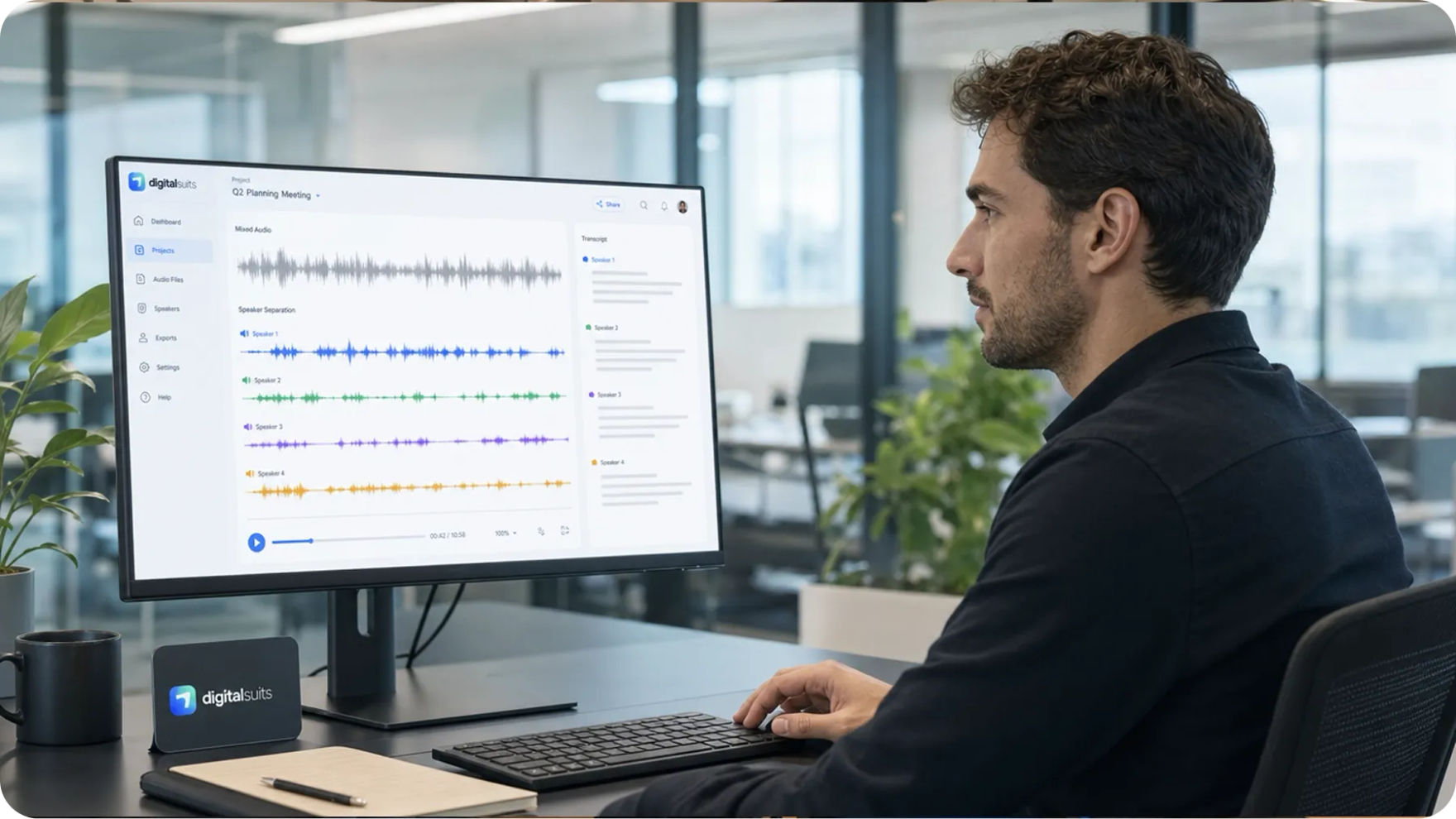
Transcripts split by speaker, so you know who said what in sales calls, interviews, and multi-participant meetings – the foundation for call scoring and coaching.
Transcript-to-workflow integration
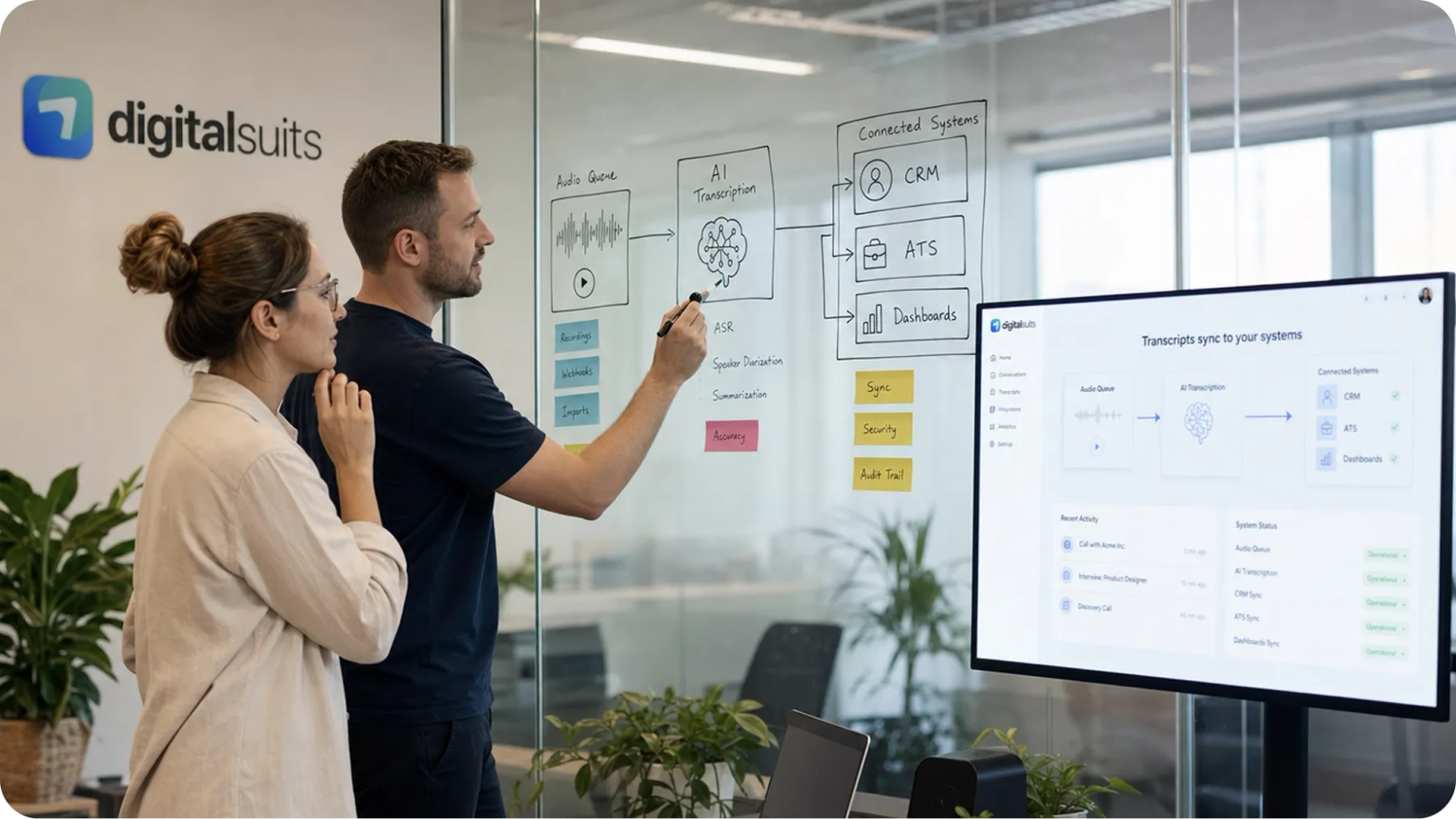
We connect transcription output to your CRM or ATS for AI speech-to-text automation: transcripts trigger summaries, update records, and generate action items.

Make speech-to-text work for you
Multilingual transcription
Recognize and transcribe speech in dozens of languages, with automatic language detection for mixed-language audio.
Custom vocabulary and fine-tuning
Teach the model your product names, industry jargon, and abbreviations so accuracy holds up on the terms that matter most to your business.
Automatic punctuation and capitalization
Make raw ASR output become readable text – punctuated, capitalized, and formatted for humans, not just machines.
Timestamp generation
Ensure word- and sentence-level timestamps that link every line of the transcript back to the exact moment in the audio.
Voice search
Let users speak instead of type – voice queries converted to text and matched against your catalog, knowledge base, or database.
Call scoring and analytics
Score conversations against your criteria, surface sentiment and talking points, and give managers structured insight from every call.
The challenge
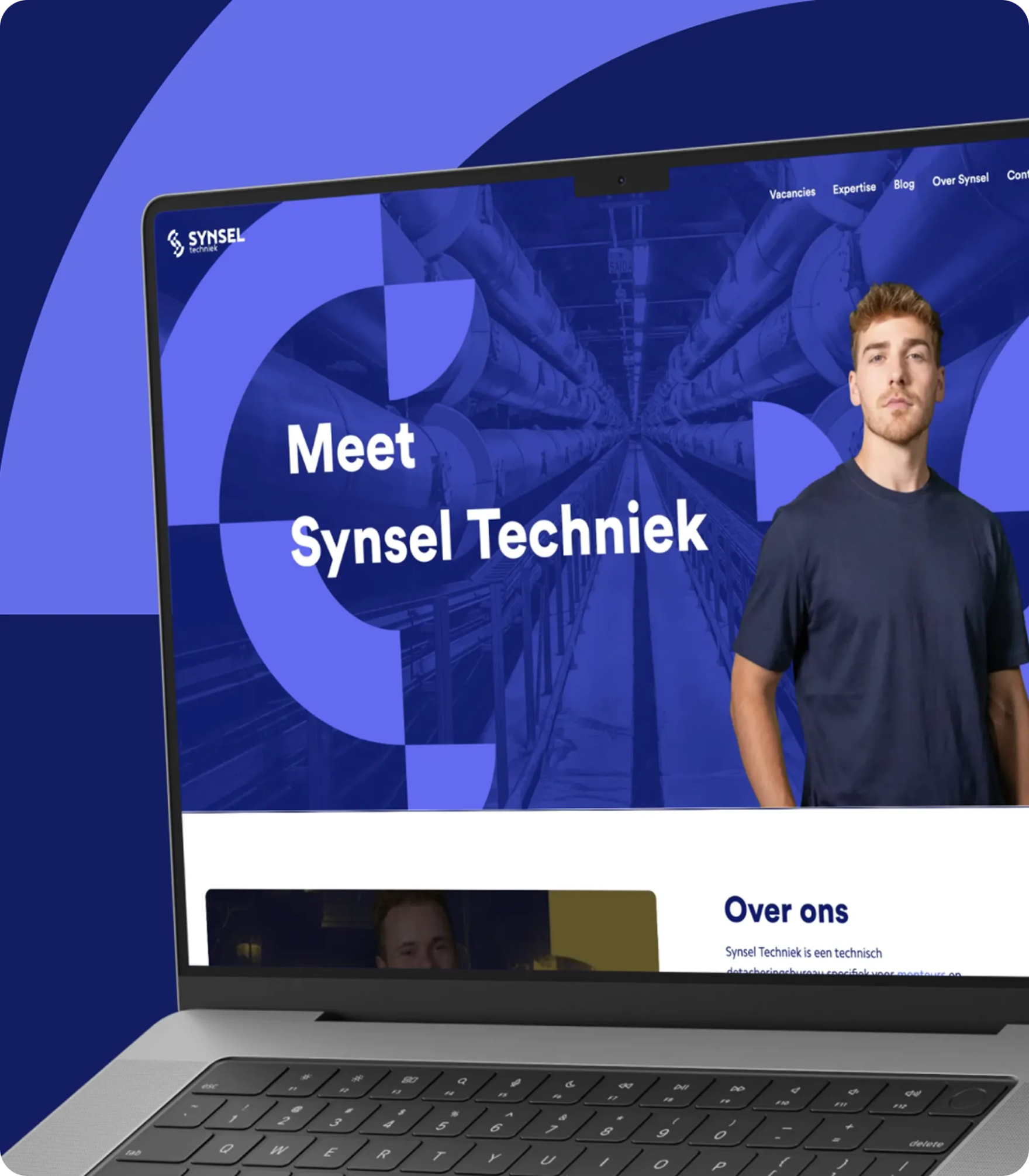
Synsel's hiring managers were losing hours to replaying candidate calls and writing up notes by hand.
What we built
We integrated an AssemblyAI-powered speech-to-text solution into their recruiting dashboard to make every call:
The result
Managers review performance and manage the hiring process based on real conversations. The transcripts also feed the next steps of the sales workflow – powering AI-generated CVs and outreach emails built from what candidates actually said in the interview.
How your business benefits from speech recognition software
Eliminate manual note-taking
Free your team from typing up calls and meetings. Transcripts, summaries, and action items appear in your systems automatically.
Make voice data searchable
Make thousands of hours of recordings become text you can search in seconds – find the exact conversation, quote, or commitment you need.
Improve team performance
Ensure call scoring and analytics that show what your best performers do differently, giving managers concrete coaching material from real conversations.
Speed up response times
Turn live audio into agent prompts and ready-made summaries the moment words are spoken – so replies go out while the conversation is still warm.
Strengthen compliance and records
Keep accurate, timestamped records of every conversation for audits, disputes, and regulatory requirements.
Cut transcription costs
Scale without hiring using automated pipelines that process audio at a fraction of the cost of manual transcription services.
Let's plan your speech-to-text integration

Production experience
We combine speech-to-text, AI development, and full software engineering, so we don't just wire up an API – we build and run the product around it.
Engine-agnostic recommendations
We integrate different models, so our advice follows your requirements and budget – not a vendor partnership.
Full-stack delivery
Beyond the ASR call itself, we build the pipelines, storage, UI, and CRM connections that turn transcription into a working feature.
Data security by default
Voice data is sensitive. We design for your compliance requirements, including self-hosted deployment options when audio can't leave your infrastructure.
Transparent workflow
Agile process, clear milestones, and regular demos – you see progress on real audio from your business.
Support after launch
Models drift, volumes grow. We monitor accuracy, tune performance, and keep integrations healthy post-deployment.

01
Implement OpenAI's open-source model for transcription, voice verification, and voice search.
02
Connect AI tools such as recommendation engines and predictive analytics to your existing systems.
03
Add LLM-powered capabilities to your business, from document processing to fraud detection.
04
Connect OpenAI's models to your product for content generation, summarization, semantic search, and more.
05
Create virtual assistants and voice-activated agents that handle customer conversations.
06
Develop AI solutions built around your specific business tasks and data.
07
Plan your AI adoption strategy around real business goals and your current infrastructure.
08
Bring dedicated AI specialists onto your team without the staffing overhead.
Modern engines reach 90–95% accuracy on clear audio, and results vary with recording quality, accents, and domain vocabulary. That's why we benchmark on your real audio before choosing an engine, then improve accuracy further with custom vocabulary and fine-tuning. For most business use cases – call summaries, search, scoring – properly tuned transcription is reliable enough to automate the workflow completely
A focused integration – one audio source, one engine, one destination system – typically takes 4–8 weeks. Larger projects with real-time processing, analytics, and multiple system connections take longer. Contact us with your requirements, and we'll estimate your timeline.
Project costs start from around $10,000 for a straightforward integration and grow with complexity, audio volume, and the number of connected systems. There's also a usage cost per audio minute that depends on the engine – we help you model it upfront so there are no surprises at scale. Reach out for an estimate based on your setup.
It depends on your audio, languages, latency needs, and infrastructure.
We benchmark candidates on your recordings and offer recommendations based on measured results.
Yes – that's usually the most valuable part of the project. We've pushed transcripts, summaries, and call scores into recruiting dashboards, CRMs, and custom workflows, where they trigger follow-up actions automatically.
It's the same setup we built for Synsel, where call transcripts feed straight into candidate scoring and CV generation inside their hiring dashboard. If your system has an API, we can connect it.
We design voice-powered automation around your security and compliance requirements. That can mean encrypted pipelines, strict data-retention policies, or self-hosting an open-source model like Whisper so audio never leaves your infrastructure.
Yes. We monitor transcription accuracy and pipeline costs, update custom vocabulary as your terminology evolves, and extend the integration when new use cases come up – the same maintenance approach we use across our AI projects.

See everything DigitalSuits can help you with


DigitalSuits proved themselves to be specialists in their field.
The successful launch of the first demo has generated positive feedback and interest. DigitalSuits seeks constant product improvement through continuous communication and proactive team integration. Their industry expertise contributes to intuitive, efficient project management.


We had quite a complicated project, but DigitalSuits managed to lead and support us.
We needed a partner well-versed in Shopify and back- and frontend development. Despite being in the middle of a war, DigitalSuits’ team has been very responsive and has deployed every aspect of the project on time. They’ve delivered projects within our budget.


They really know their stuff and are excellent at what they do.
To our delight, our new site looks better and functions more efficiently. DigitalSuits ensures a smooth process by being highly attentive to the client's needs and communicating clearly. What's been most impressive about the team is their responsiveness and quality of work.

They've been very thoughful about approaching the build, making sure we don't have to rework elements somewhere down the line.
The DigitalSuits team fully devoted themselves to producing a quality final product, making sure they’re thorough in their development and taking preventative action when needed. They delivered superior services, assigning only highly-experienced professionals to the project.


They quickly grasped what we wanted to do and have designed and delivered solutions to achieve this.
DigitalSuits dug deeper into the business and the idea to have a better understanding of the business and the market. They quickly grasped what we wanted to do and have designed and delivered solutions to achieve this. They regularly communicate well. I'm very happy working with them.


They're always motivated and a great addition to our current team.
Overall, the provided resources have gelled seamlessly with the internal team, establishing a highly collaborative workflow. What's more, they have a thorough understanding of every task, allowing them to deliver exactly what's needed and offer alternative solutions. They're skilled and driven, too.


We worked together as a single unit.
The app launched on schedule and provided immediate assistance with guest management. Team strengths include communicating and scheduling.
Contact us
Please fill out the form below and we will contact you shortly. Here is what happens next:
We get in touch
Our sales manager will get in touch with you to discuss your business idea in details within 1 day
We analyse and estimate
We will analyse your requirements, prepare project estimation, approximate timeline and propose what we can offer to meet your needs
We sign and start
Now, if you are ready to turn your idea into action, we will sign a contract that is complying with your local laws & see how your idea becomes a real product