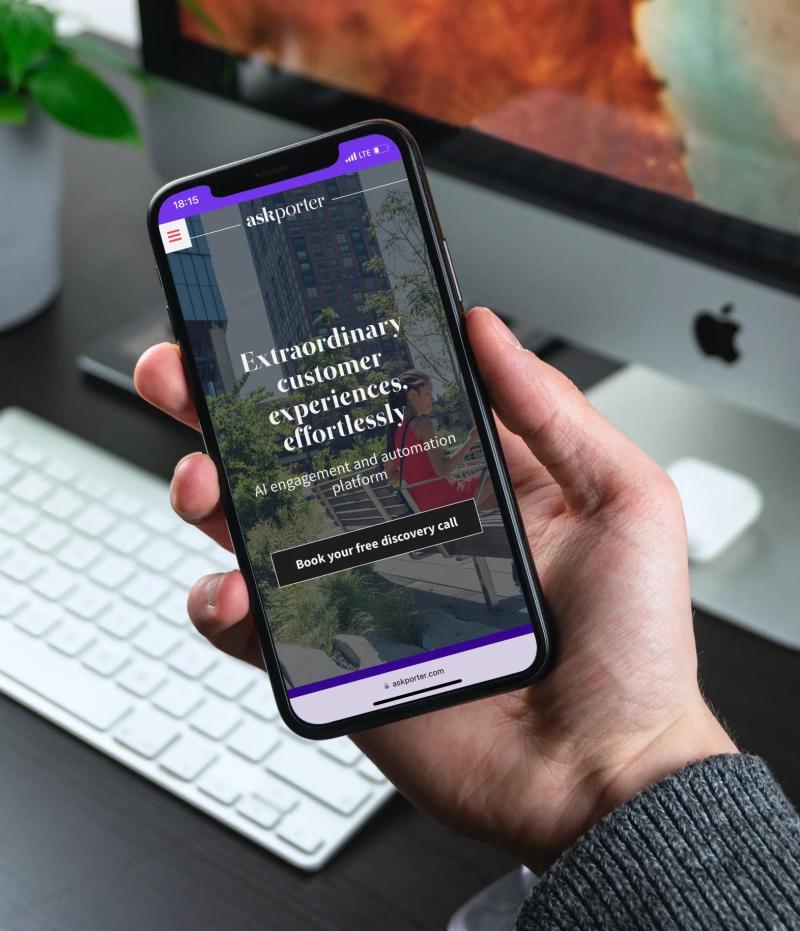
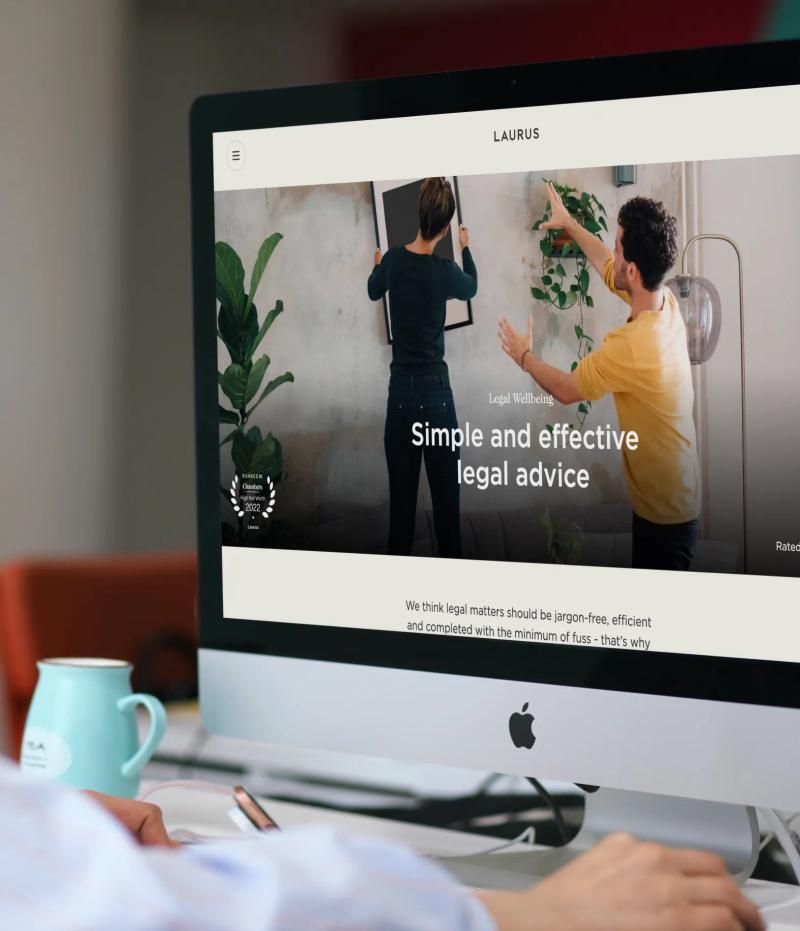
Cross-platform app UX/UI design
Get wireframes and finalize screens before development begins, then get them validated with real users.
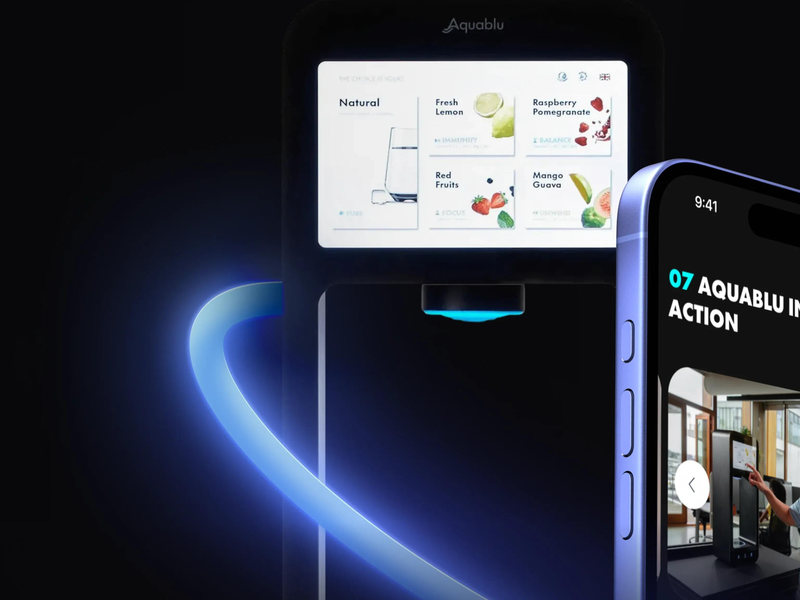 AquabluBuilding a Shopify Plus store for B2B and D2C sales for a water brand
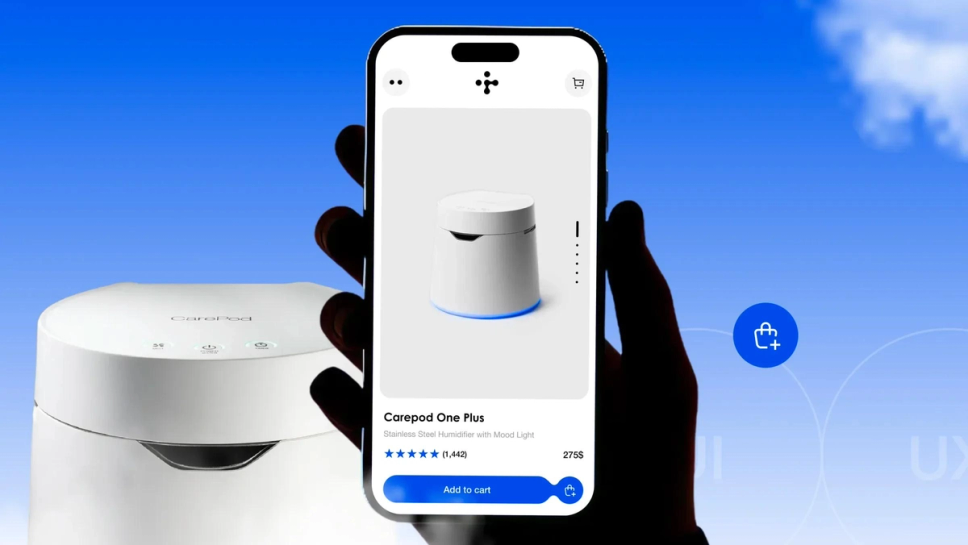 CarepodShopify speed optimization and development for a humidifier brand
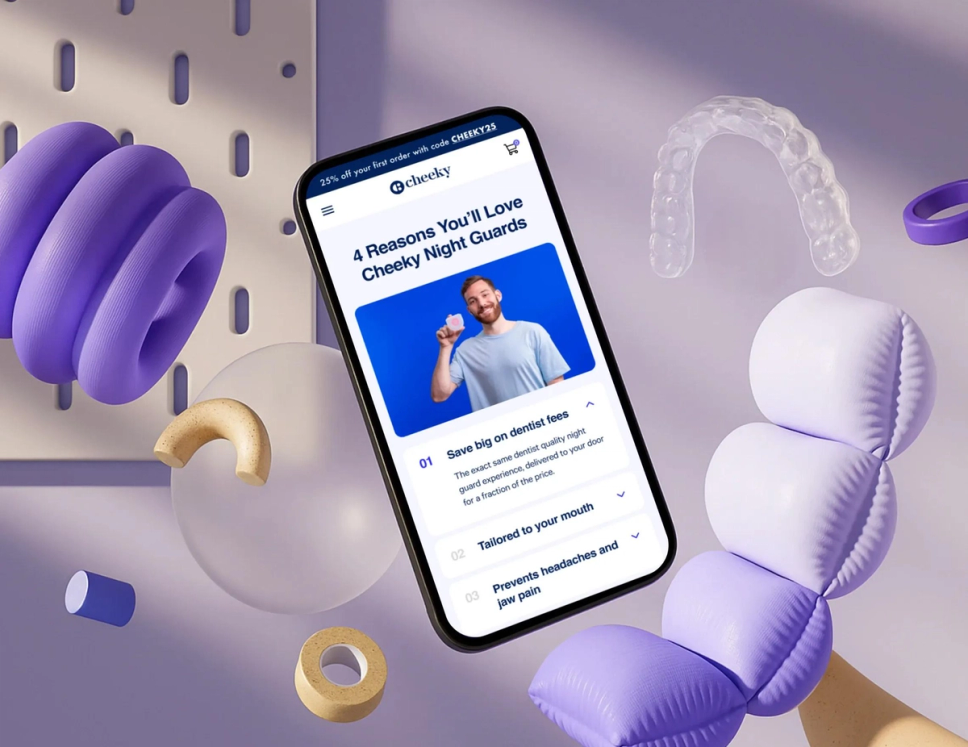 CheekyShopify retainer for a Shopify Plus dental store to boost UX and performance
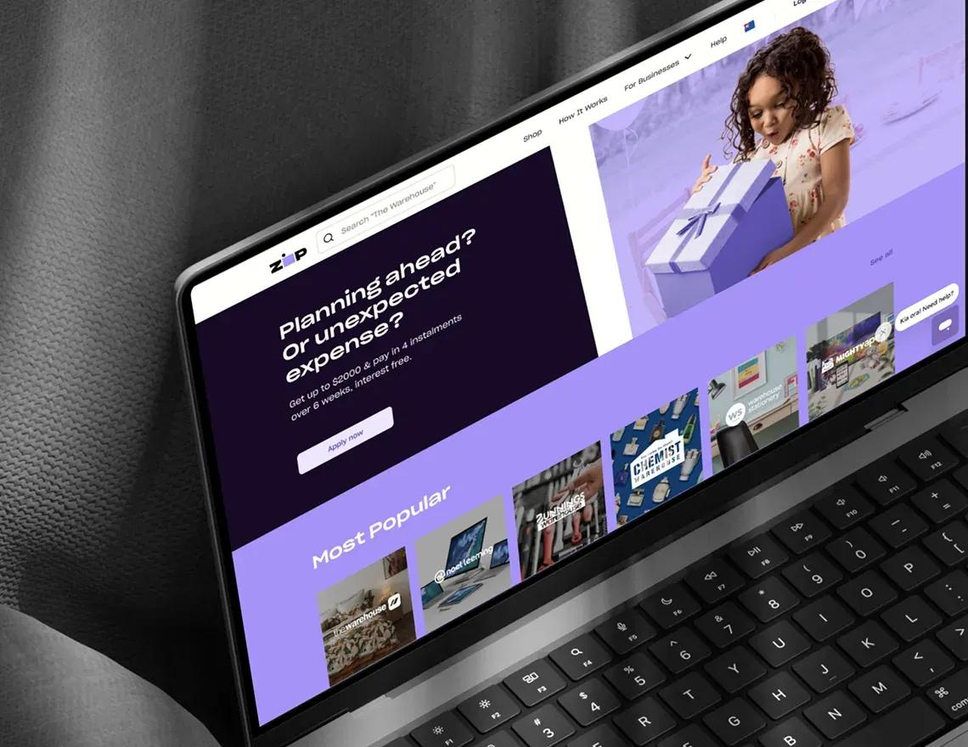 Zip CoEmpowering a leading fintech brand with a future-ready Public Shopify app
 Discover our Shopify appGet your products featured in AI recommendations with our DS – AI llms.txt GeneratorLearn more
Build once, deploy to iOS and Android without splitting your budget across separate teams. DigitalSuits covers the full cycle, from UI design to testing and release.


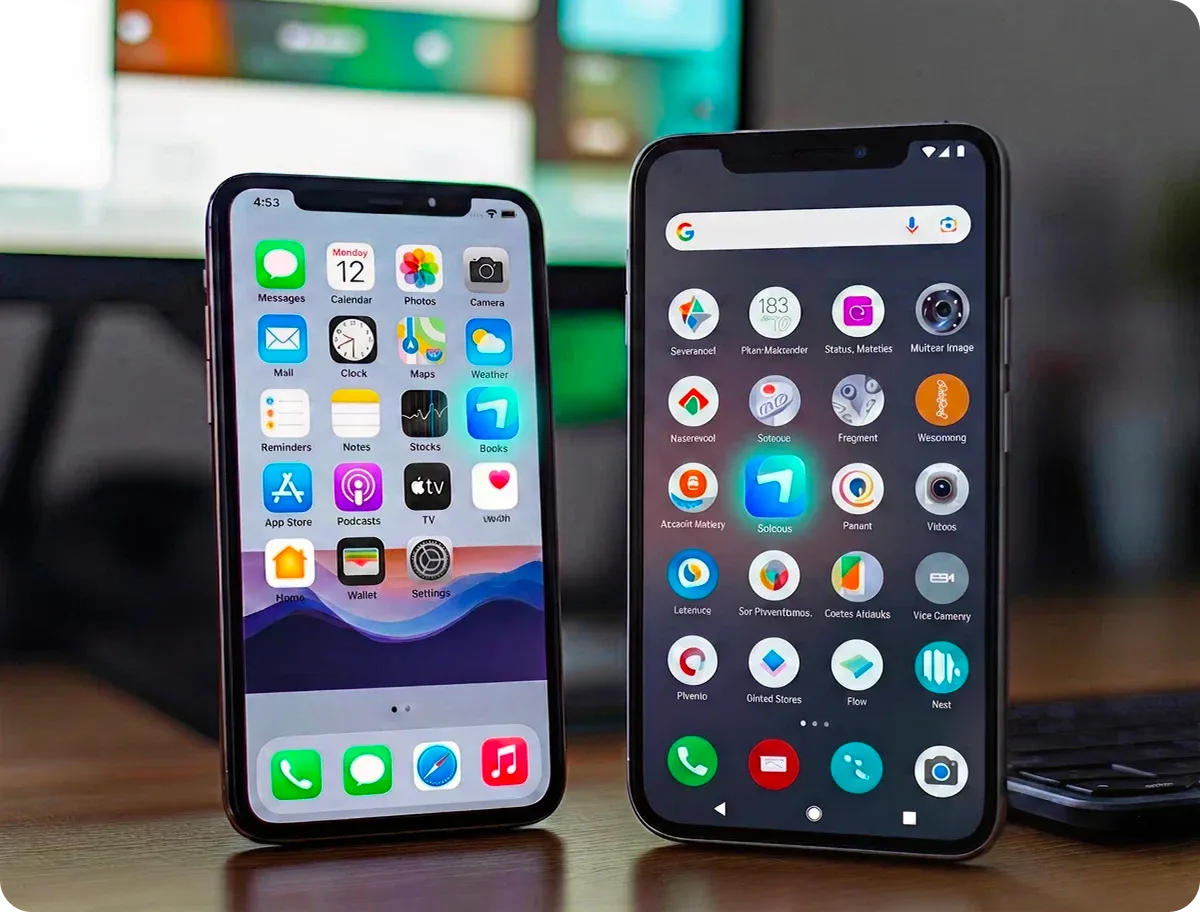
Cross-platform app development means building a single codebase that runs on iOS and Android — rather than building and maintaining separate native apps for each. The result is a shorter development cycle, a lower engineering overhead, and a consistent product experience no matter what device your users are on.
At DigitalSuits, we design and build cross-platform apps using Flutter and React Native — covering architecture, UX/UI design, development, QA, and post-launch maintenance. We provide mobile app development services for companies that need a product that performs well on every device, ships on a realistic timeline, and doesn't turn into a maintenance burden six months after launch.

Types of cross-platform apps we build
Cross-platform app UX/UI design
Get wireframes and finalize screens before development begins, then get them validated with real users.
Custom cross-platform app development
Build an app for iOS and Android with a cross-platform framework aligned with what your product actually needs.
Cross-platform app testing and QA
Test your app alongside every development sprint using functional checks and performance testing across iOS and Android devices.
Cross-platform app maintenance
Keep your app working after launch by handling new OS versions, performance issues, and new feature requests.
Cross-platform development consulting
Get a clear understanding of the framework, architecture, and scope of features your project requires.
Integration services for a cross-platform app
Make your app capable of talking to payment providers, CRMs, and internal systems with seamless connections.
Cross-platform app migration
Migrate your native apps and old hybrid solutions to a modern cross-platform stack, keeping what still works and rebuilding what doesn't
Cross-platform app upgrades
Fix your app's structural issues and performance problems, and add new features to keep up with the market changes

Not sure which app development approach fits your product?
One codebase, two platforms
Two native apps means two teams, two roadmaps, and two of every problem. A shared codebase cuts build time by 30–50% and keeps one engineering team responsible for the whole product.
Consistent product experience
Android and iOS users get the same functionality within the same timeframe, instead of a separate bug queue for each platform and a list of unsupported features.
Maintenance gets cheaper over time
Fix it once, it's fixed on both, since one codebase means one place to handle OS updates, security patches, and dependency changes. The savings are real and they grow the longer the product runs.
You ship sooner
One build, one QA cycle, one app store process. If your timeline is tight or the market isn't waiting, that difference matters.
The architecture holds as you grow
Flutter and React Native are modular by design. When requirements change, you don't need to touch the foundation, which results in faster shipping and lower costs.
Easier to hire for
Flutter and React Native cross-platform app developers are common. When someone leaves or you need to scale the team, you're not looking for a specialist with a two-month wait time.

Go cross-platform when:

Go native when:
Frameworks
 Flutter Test
 React Native
 Kotlin Multiplatform
 Ionic
Ionic .NET MAUI
Languages
 Flutter by Dart
 JavaScript
 TypeScript
 Kotlin
 Swift
Swift C#
C#Backend & APIs
 Node.js
 Firebase
 GraphQL
 REST API
 AWS
AWSTesting
 DetoxFlutter Test
 Appium
 TestFlight
Design & Prototyping
 Figma
Figma Principle
 Zeplin
Ready to build your cross-platform app?

Proven development expertise
We've gained extensive development experience across various domains, which helps us handle even the most complex tasks.
Transparent workflows
Our standard approach includes clear sprint goals and consistent updates throughout the project.
Full delivery cycle under one roof
We handle design, development, QA, and post-launch support, so that you don't need to coordinate between different teams.
Future-ready architecture
We ensure structured code and clear documentation, which are easy to work with long after the project ends.
We work across the stack
Mobile doesn't exist in isolation. We've built and connected backends, third-party integrations, and web platforms alongside the apps, which means we understand the full picture, not just the front end.
We scope honestly
Before any project starts, we tell you what's realistic — timeline, cost, and where the risks are. If the scope is too broad for the budget, we say so upfront rather than halfway through the build.
Step 1: Product scoping and platform strategy
Our cross-platform application development company works through your user journeys and defines what the app needs to do on each platform. Where logic is shared, where it isn't, and what that means for the build.
Step 2: Framework and architecture selection
The framework is picked based on your requirements, your team, and what you'll realistically maintain. We also decide on state management, navigation, and API layer before development starts.
Step 3: UX/UI design
Android and iOS have different navigation patterns, gestures, and interface conventions. We design with that in mind — not one layout adapted for two platforms, but a considered decision on what to share and what to keep separate.
Step 4: Development
We build in short cycles and show you working software regularly. Every sprint has a defined scope, a demo, and a clear next step. You always know what's been built and what's coming.
Step 5: QA and device testing
Testing runs in parallel with development, not as a final gate before submission. We cover different OS versions, screen sizes, and hardware configurations , catching platform-specific behavior and edge cases before they reach your users.
Step 6: Launch and post-launch
We manage app store submissions and stay available through the review process. Once the app is live, we can stay on for maintenance, planned feature work, or support when something needs fixing — structured around what the product actually needs at that stage.
Retail and ecommerce
Mobile storefronts, loyalty apps, order tracking, and in-store assistant tools. We have deep ecommerce experience that feeds directly into mobile product decisions.
Healthcare and wellness
Patient-facing apps, appointment scheduling, telehealth interfaces, and wellness trackers. We build with HIPAA awareness and handle the data security requirements that healthcare products demand.
Finance and fintech
Banking tools, payment apps, budget trackers, and investment platforms. We build with performance and security in mind, implementing real-time data, biometric authentication, and encrypted local storage where needed.
Logistics and transportation
Driver apps, fleet management tools, delivery tracking, and warehouse mobile interfaces. We build them with offline-first architecture and precise GPS integrations that hold up under real operating conditions.
Education and e-learning
Course platforms, student dashboards, teacher tools, and corporate training apps. We design for engagement and build for reliable content delivery across varying network conditions.
Real estate
Property browsing apps, agent tools, virtual tour interfaces, and CRM-connected mobile clients. We handle map integrations, media-heavy interfaces, and complex filtering across large data sets.
Hospitality and travel
Booking apps, loyalty programs, in-stay service tools, and travel planners. These products depend on third-party API reliability — we build resilient integrations with proper fallback handling.
SaaS and B2B tools
Mobile companions to web platforms, field sales tools, and internal dashboards. We extend existing SaaS products to mobile without rebuilding what already works.

Startups
Startups need to validate ideas quickly without splitting resources across separate iOS and Android builds. Cross-platform lets you launch on both platforms at once and refine the product as you learn what users respond to.

SMBs
For small and medium businesses, cross-platform is a practical way to stay competitive without the budget that two native builds require. Your customers get a polished experience on both platforms at a cost that fits the scale of the business.

Enterprise
Large organizations use cross-platform to unify tools and products across teams, regions, and customer bases. Whether it's an employee portal, a customer-facing app, or an internal workflow tool, one codebase keeps things consistent without multiplying the maintenance load.
01
Build native apps for iPhone and iPad — optimized for the Apple ecosystem, App Store compliant, and tuned for the hardware your users are on.
02
Ship native Android apps across the full range of devices, OS versions, and screen sizes to reach broad audiences
03
Cover iOS and Android with a single codebase. Good fit when you need both platforms, a consistent UI, and one team maintaining the project.
04
Build cross-platform with a JavaScript foundation — practical for teams with existing web experience who need to ship a mobile product without starting from scratch.
05
Design UX and UI for mobile — from user flows and wireframes to high-fidelity screens, built for the platform it runs on.
06
Connect your app to Bluetooth Low Energy devices — wearables, medical hardware, industrial equipment, smart home products. Pairing, data sync, and connection handling done properly.
07
Turn your web app into something installable and offline-capable without going through an app store. A practical option when reach matters more than platform-specific features.
An MVP is usually 3 to 5 months. More complex products with custom backends and integrations take 6-9 months and more. We don't give timelines before we've looked at the scope. To estimate timelines for your project, contact our team.
An MVP starts around $50,000, while bigger projects with custom backend logic and a complete range of tailored features cost from $80,000. The cost varies depending on the number of features, integrations, and the complexity of backend logic. To get an estimate for your particular project, contact us.
Flutter draws its own UI and uses Dart. React Native uses JavaScript and maps to native components. If your team knows JS, React Native is a natural fit. If not, Flutter is usually the better starting point. Contact us for project discovery to understand which framework makes sense specifically for your product.
Yes. Most apps we build connect to something — a backend, a payment provider, a CRM, an internal system. We handle the full integration: authentication, data syncing, error handling, and offline behavior. REST APIs, GraphQL, Firebase, Stripe, CRMs, ERPs — if it has an API, we can connect to it.
We stay involved after launch with the same team. Bugs, OS updates, and new features can be handled per project or as an additional maintenance service, depending on what works for you.
Unlikely. Flutter and React Native both handle platform navigation, gestures, and animations. Most people can't tell the difference between a well-built cross-platform app and a native one.

Explore more of our services


They've been very thoughful about approaching the build, making sure we don't have to rework elements somewhere down the line.
The DigitalSuits team fully devoted themselves to producing a quality final product, making sure they’re thorough in their development and taking preventative action when needed. They delivered superior services, assigning only highly-experienced professionals to the project.

DigitalSuits supported us with a web development project which required a full-scale architecture build.
We currently work with a team of 10 specialists, including an IT architect, three frontend developers, 4 backend developers, a DevOps professional, and a QA specialist. Their team worked on both the front- and backend while also handling an API layer integration with third-party systems.

We had quite a complicated project, but DigitalSuits managed to lead and support us.
We needed a partner well-versed in Shopify and back- and frontend development. Despite being in the middle of a war, DigitalSuits’ team has been very responsive and has deployed every aspect of the project on time. They’ve delivered projects within our budget.


They're very diligent in terms of communicating and managing the entire project.
The project is still ongoing, but we enjoy working with DigitalSuits. The goal was to renew our Shopify store, update to Shopify 2.0, build new fulfillment processes/automizations with airtable and integromat. They also continue to impress with their solution-driven approach.


They really know their stuff and are excellent at what they do.
To our delight, our new site looks better and functions more efficiently. DigitalSuits ensures a smooth process by being highly attentive to the client's needs and communicating clearly. What's been most impressive about the team is their responsiveness and quality of work.


The team's efficient and proactive approach has stood out.
Since working with them, we've been able to implement several features on the site that have always been pain points for the business. They work efficiently and always take the time to understand our needs and work with us on a solution.


They're attentive to details and well-organized.
Their processes ensure the work is done on time, their roles are clearly defined, and they strive to deliver their jobs quickly.


They quickly grasped what we wanted to do and have designed and delivered solutions to achieve this.
DigitalSuits dug deeper into the business and the idea to have a better understanding of the business and the market. They quickly grasped what we wanted to do and have designed and delivered solutions to achieve this. They regularly communicate well. I'm very happy working with them.


DigitalSuits proved themselves to be specialists in their field.
The successful launch of the first demo has generated positive feedback and interest. DigitalSuits seeks constant product improvement through continuous communication and proactive team integration. Their industry expertise contributes to intuitive, efficient project management.


The level of their Shopify development talent is fantastic; they have outstanding Shopify developers.
DigitalSuits’ work has helped the client increase their site conversion rate from 0.8% to 1% and their site speed by 30%–35%. The resource they provide meets their deadlines and collaborates with the client via Jira, Asana, Slack, and Google Meet. Moreover, the team is responsive and talented.


They did everything possible to launch our website on time.
DigitalSuits successfully executed on time, adhering to requirements, and a strict budget. The team's project management was extremely efficient. The team lead, in particular, always maintained a positive attitude and showcased utmost professionalism at all times. They truly went above and beyond.


DigitalSuits has come to the rescue in our time of need.
No matter the challenge we throw at them, DigitalSuits listens to the issue and finds a solution. They never take the victim role; their team takes responsibility for their work.
Contact us
Please fill out the form below and we will contact you shortly. Here is what happens next:
We get in touch
Our sales manager will get in touch with you to discuss your business idea in details within 1 day
We analyse and estimate
We will analyse your requirements, prepare project estimation, approximate timeline and propose what we can offer to meet your needs
We sign and start
Now, if you are ready to turn your idea into action, we will sign a contract that is complying with your local laws & see how your idea becomes a real product