


What is Cross-Selling?
Cross-selling is a sales strategy that implies offering supplementary products with items that a customer explores or purchases. For example, if a customer purchases a bicycle and sees a helmet or other accessories as recommended together with this bicycle, a merchant in this store uses a cross-selling technique.
Why use cross-selling in ecommerce?
- Cross-selling helps boost average order value (AOV), which results in an overall revenue increase.
- Recommending complementary products relevant to the customer's needs enhances the customer experience by providing additional value to the current purchase.
- Using cross-selling techniques across a store helps improve product discovery and build customer loyalty.
Sometimes, cross-selling is confused with upselling since both of these strategies influence AOV in ecommerce. However, cross-selling meaning is different from upselling: cross-selling implies additional complementary products (e.g., a phone case bought along with a smartphone), while upselling encourages customers to buy a higher-end version of the product (e.g., upgrading from a 64GB to a 256GB smartphone).
The most common cross-selling techniques in ecommerce
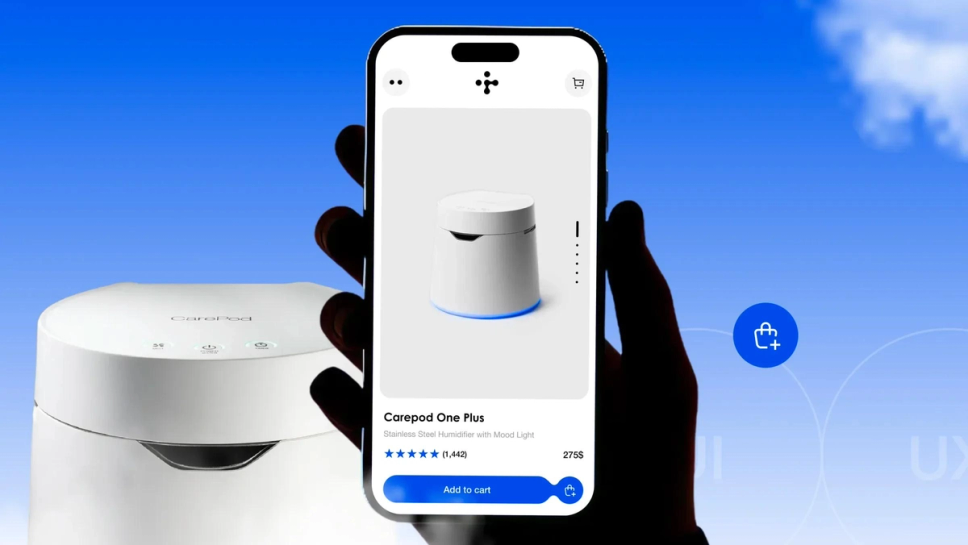
- Recommendations on product pages. Merchants can suggest add-ons or accessories on the product pages, nudging customers to prefer bundles to a single product.
- Small add-ons in the cart and checkout pages. Cross-selling can increase order value at the final step if a merchant offers small complementary items, such as additional batteries for a toy.
- Suggested items on the order confirmation page. After completing the payment, a customer is still in the buying mindset, allowing a merchant to catch their attention and suggest accessories or refills.
- Follow-up emails. Even after the purchase is complete, merchants can still use cross-selling to drive repeat visits and sales by engaging customers with special offers for products related to their purchase.
Do’s and dont’s of cross-selling
The best cross-selling practices include the following:
- Suggest only relevant products to build trust and increase conversions.
- Analyze customer behavior and purchase history to personalize recommendations.
- Make it easy to dismiss recommendations not to force customers into buying more but rather be helpful to boost customer lifetime value.
- Test and optimize your cross-selling strategy in line with real customer feedback.
- Add short descriptions with benefits of suggested items to show value to customers.
- Keep the price balance, recommending items of a lower price range than the main product.
Which actions are better to avoid in cross-selling strategies?
- Don’t recommend random products not to break customer trust.
- Avoid popups that interrupt user flow or distract customers from target actions, since they can decrease customer retention and negatively impact the overall experience.
- Don’t force users to add complementary products without the dismiss option.
- Don’t suggest the same products to every customer; instead, rely on analytics.