


What is Retrieval Augmented Generation?
Retrieval Augmented Generation (RAG) is a framework for AI that combines generation and retrieval models. RAG retrieves relevant information from external knowledge sources (databases, APIs, or document collections) rather than pre-trained data. It uses that information to generate more accurate, factual, and contextually relevant replies.
RAG models are commonly used in:
- Question answering
- Chatbots
- Enterprise knowledge systems
- AI search applications
They bridge the gap between large language models (LLMs), which are powerful at generating natural language, and retrieval systems, which ensure answers have factual grounding.
Besides RAG, AI optimization techniques include prompt engineering and fine-tuning, all of which are described in detail in our article: RAG vs. fine-tuning vs. prompt engineering.
RAG architecture
A retriever and a generator are the two main components of RAG that work together. The retriever searches a knowledge source (documents, a vector store, or a search index) for necessary elements, frequently reranking and breaking them into smaller parts. The generator then responds to the inquiry and the evidence by writing the response.
Responses remain accurate, useful, and simple to validate (you can even link sources or IDs) since the model is "reading" new information rather than guessing.
How Retrieval Augmented Generation (RAG) works
The RAG process typically involves three main stages:
- Retrieval phase. The model searches a knowledge base or vector database (Pinecone, FAISS, or Weaviate) to find documents or data relevant to the user’s query.
- Augmentation phase. The large language model combines retrieved information with the user's request. Then, it provides a logical, natural answer. A blend of factual data with natural language generation.
- Generation phase. The retrieved information is passed to a large language model (GPT, Claude, or Gemini), which uses it to generate a response that combines both knowledge retrieval and natural language fluency.
Benefits of RAG
- Higher answer quality. Pulls facts from trusted sources. It cuts down the made-up or inconsistent replies.
- Updated and fresh information. Uses recently updated materials, which matters in industries with rapid information changes.
- Adapted to your data. Provides replies based on internal docs, policies, FAQs, and records. All done without retraining the whole model.
- Lower in cost. Uses retrieval rather than maintaining an entire LLM's knowledge base.
- Credible results. Can surface links or document IDs so people can verify where an answer came from.
Application of Retrieval Augmented Generation
RAG proves its value across many industries. Here are real examples that prove its effectiveness.
Customer support chatbots. RAG-powered AI chatbots can search company manuals and help center articles to give users accurate answers in real time. They will pull verified details directly from the company’s documentation, instead of just giving pre-scripted responses.
Enterprise search assistants. Within large organizations, it helps employees find relevant reports, policies, and project documents without having to manually browse repositories. The system retrieves internal knowledge, summarizes it, and presents concise answers.
Systems that answer questions. They answer complex or domain-specific queries with direct responses. By pulling and summarizing the most relevant findings, these systems save time and help keep users updated on the latest discoveries.
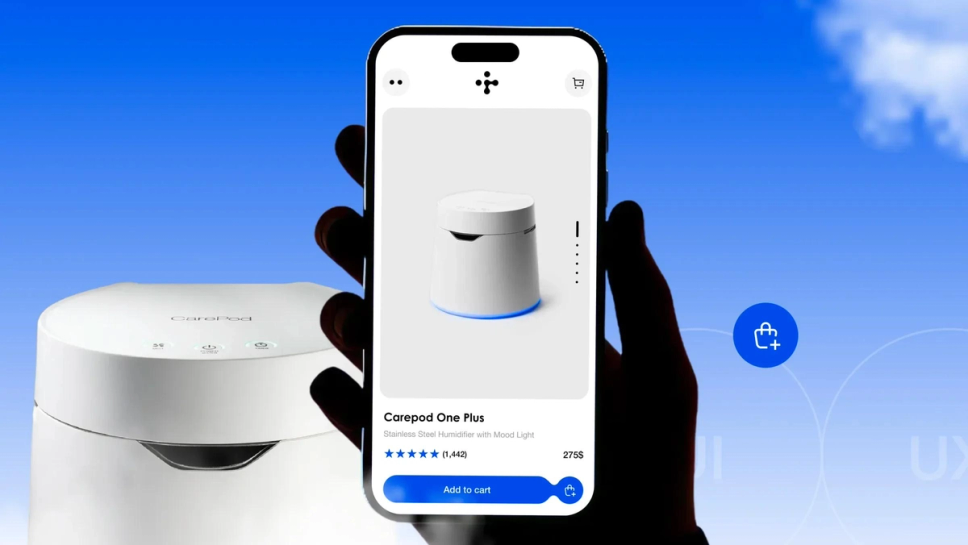
Ecommerce assistants. Online stores can use RAG to power ecommerce chatbots, product search, and recommendation systems. When a shopper asks about specifications, the model retrieves the latest information from the catalog or supplier data and generates a reliable response.